Rights people can use, not just read about

We investigate violations, campaign for change and give people practical skills. Here is what that looks like on the ground.

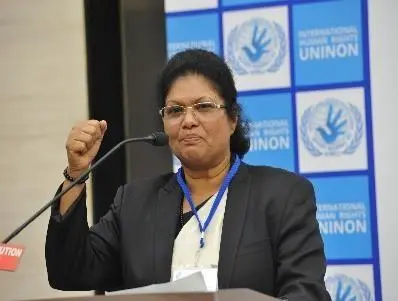
A speaker at the podium
Addressing Human Rights Day 2021

Human rights advocacy

Advocacy comes naturally to human rights defenders. When they speak jointly, each voice carries more credibility and reaches national and international decision-makers it could not reach alone.

  • Participation: everyone may take part in decisions that affect their rights, with information in a form and language they understand.
  • Accountability: standards must be monitored, and breaches must have real remedies through laws, institutions and redress.
  • Non-discrimination and equality: every form of discrimination must be prevented, with priority for those facing the biggest barriers.
  • Empowerment: people and communities should know their rights and be supported to shape the policies that affect them.
  • Legality: rights are legally enforceable entitlements grounded in national and international law.
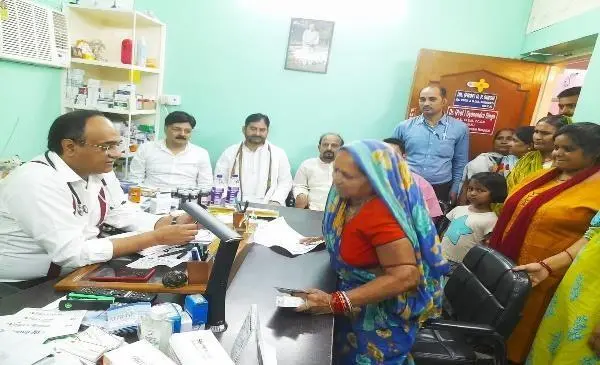
A health check-up at a camp
Health camp at Sanjeevni Hospital, Patna

Health and education

Treating health as a human right obliges the state to ensure timely, affordable care of good quality, along with what good health depends on: safe drinking water, sanitation, food, housing, health information and gender equality.

Education is how people improve their lives and their communities. Human rights education should do more than train workers. It should build values of peace and tolerance and equip people to pursue social justice for the poor, the marginalised and weaker sections of society.

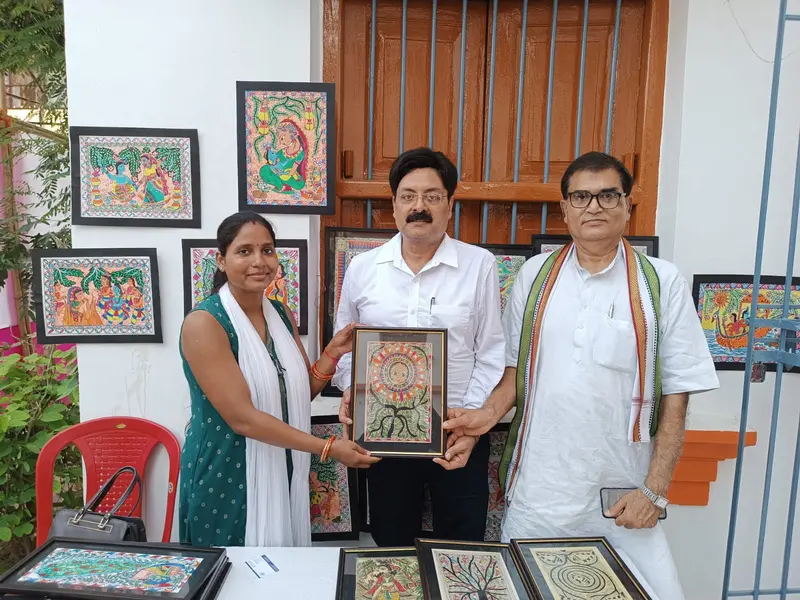
A Madhubani artist presents a framed painting
Supporting Madhubani artisans and women's livelihoods

Training, development and livelihood

As the UN Secretary-General's 2005 report In Larger Freedom argued, there is no development without security, no security without development, and neither without respect for human rights.

IHRU supports skills training that leads to work, with a focus on women and adolescent girls. We stand for basic labour protections: freedom of association, freedom from forced labour, safe working conditions, equal pay for equal work, and freedom from discrimination of any kind.

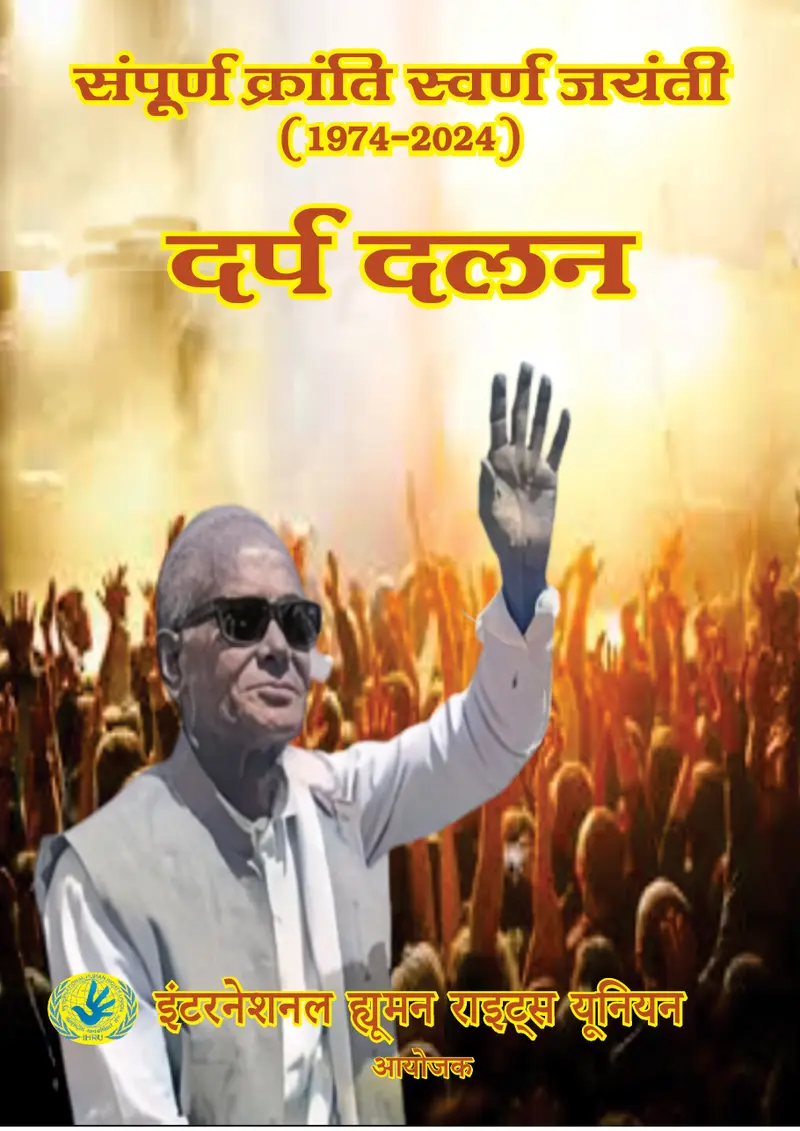
Souvenir cover showing Jayaprakash Narayan with raised hand
Cover of 'Darp Dalan', the Sampoorna Kranti golden jubilee souvenir (1974–2024)

Promotion, protection and publication

Racial discrimination, conflict that puts civilians at risk, and gender inequality remain among the great challenges of our time. Governments carry the primary duty to protect rights, but every individual has a part to play.

IHRU advocates the adoption of international and regional human rights codes and their incorporation into Indian law. We document our work in reports and souvenirs, such as Shram Sanrachna (2021) and Darp Dalan (2024).

Browse publications

Issues we focus on

Accountability for gross violations, business and human rights, defenders at risk, and the rights of women, children, minorities and other vulnerable people.

Children's and girls' rights

We investigate violations against children and girls, including trafficking, child labour and denial of the right to health, and make policy recommendations to protect them.

Human rights defenders

We honour defenders' work, document and investigate attacks against them, raise the alarm when they are at risk, and defend freedom of assembly and association.

Economic, social and cultural rights

Deprivation of these rights is among the gravest violations. We raise awareness of abuses carried out in the name of development, such as land grabbing and violations of indigenous rights, and of labour exploitation in global business.

Women's rights

With partner NGOs we work to end domestic violence, trafficking, so-called honour killings, rape and all violence against women, and to eliminate discriminatory punishment and exploitation.

Programmes

Practical work that members carry out in their own states, from relief in a crisis to training that leads to a job.

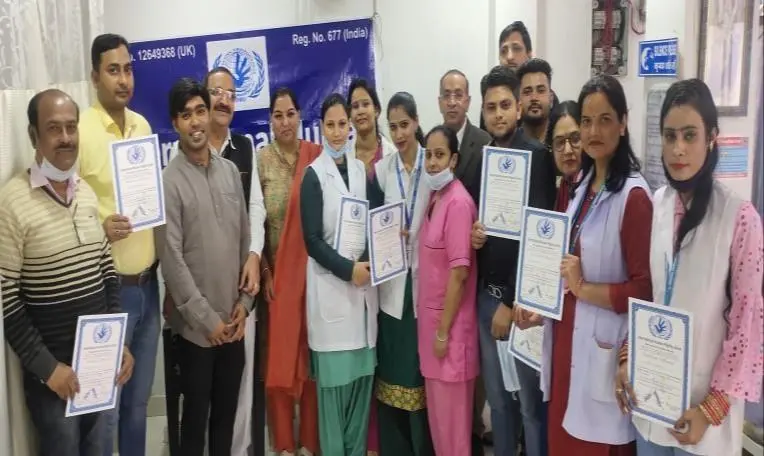
  • Trainees in uniform holding certificates

    Community Development Training Initiative

    Computer and healthcare skills courses for students, job-seekers and working people, with certificates on completion.

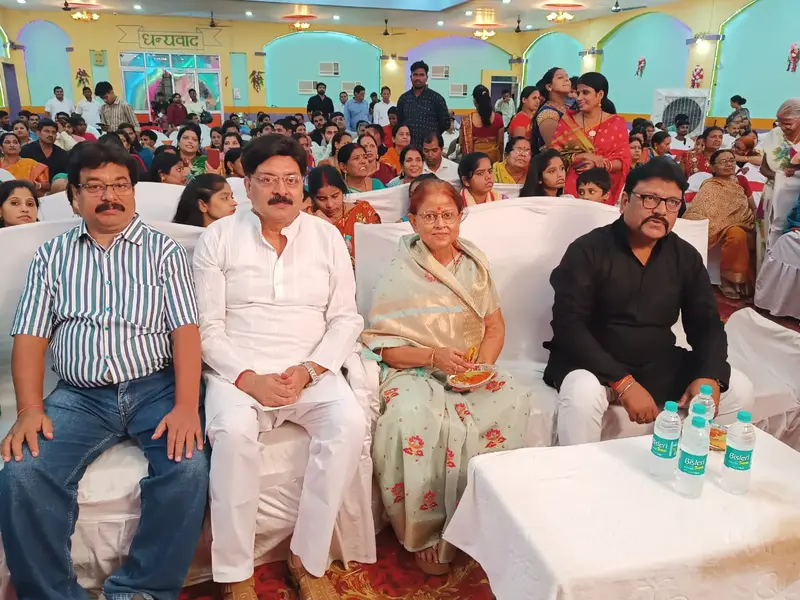
  • Guests seated at a crowded event

    Food distribution during COVID-19

    When the 2020 lockdown cut off millions from work and income, IHRU members served free food to people in need in Bihar, Jharkhand and Delhi.

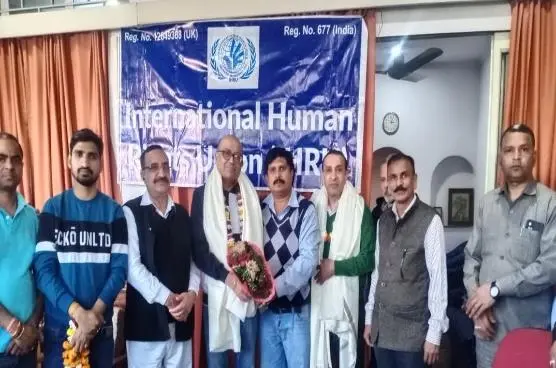
  • Members gathered under an IHRU banner

    Swachh Bharat Abhiyan

    Members run cleanliness drives in Delhi and Gurugram, clearing streets and campuses to improve health and hygiene.

  • A health check-up at a camp

    Health awareness and yoga

    Health camps and a holistic healing unit covering yoga, acupressure, auriculotherapy and naturopathy, to help people manage stress and stay well.

  • A Madhubani artist presents a framed painting

    Women's livelihoods

    Supporting women artisans, including Madhubani painters, to showcase and sell their work.

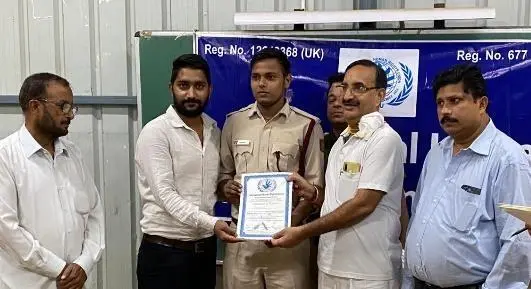
  • Certificates presented to members

    Recognition for social responsibility

    Honouring people who served selflessly, including Delhi Civil Defence volunteers, doctors, paramedics and cemetery staff during the pandemic.

Courses we train in

Computer training

  • Basic computing
  • Certificate course
  • MS Office
  • DTP
  • Tally
  • Diploma

Medical sector

  • OT assistant
  • Nursing assistant
  • Patient care
  • Old-age care
  • First aid
Register for training

What you can do

Governments carry the primary duty, but rights are protected by ordinary people acting every day.

  • Learn the facts

    Read widely from credible sources such as the UN and the WHO, listen to people's own accounts, and keep learning.

  • Vote, every time

    Local, state and national elections all shape rights. Help others to vote too, especially those who feel shut out.

  • Hold officials to account

    Write to your representatives and public bodies about the issues that matter, and keep asking until they respond.

  • Protest peacefully

    Peaceful public action has changed laws throughout history. Plan for everyone's safety when you organise.

  • Act on discrimination

    When you see it, ask the person affected what support they want before you step in.

  • Stand up for economic rights

    Poverty undermines every other right. Support equal pay, access to education, childcare, clean water and sanitation.